
GQEBERHA DOES NOT NEED SAVING; IT NEEDS FIXING.
GQEBERHA DOES NOT NEED SAVING; IT NEEDS FIXING.
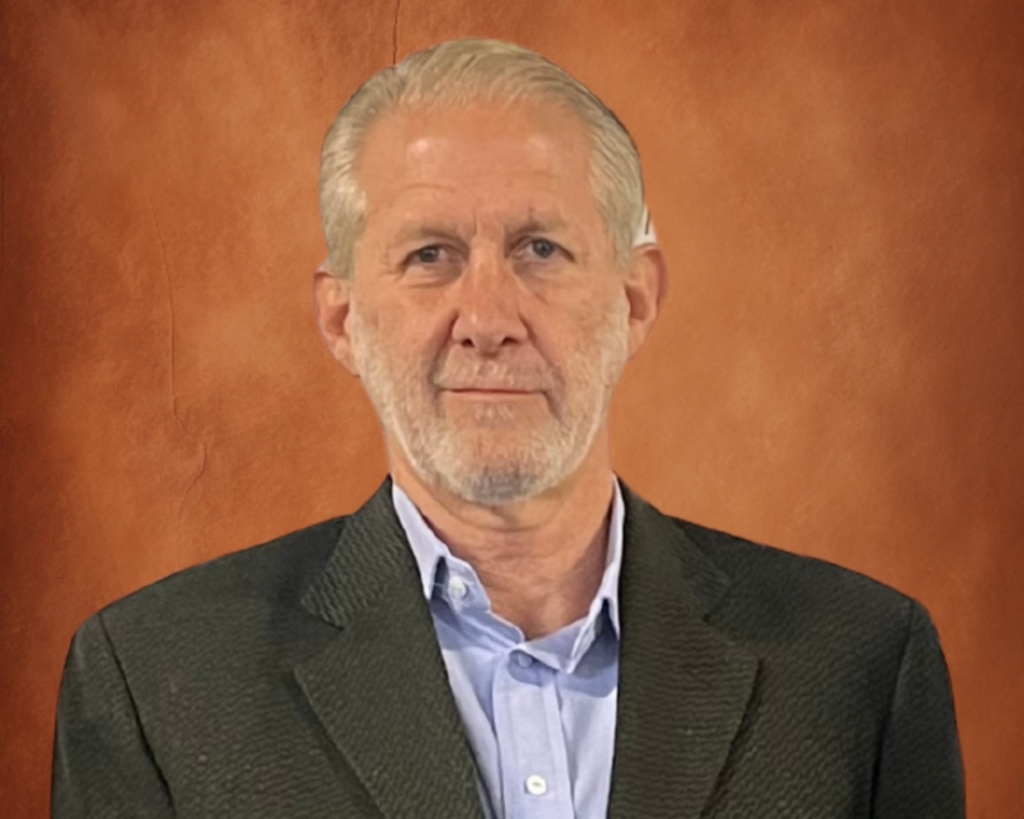
By Pierre Voges, MBDA Interim CEO.
I am a simple mind, but I have been very fortunate to travel extensively, to live and work in two Western European cities, four cities in South Africa and for 5 years in Riyadh, Saudi Arabia, now one of the booming cities in the work. So often we look for the grandiose, but over the past 10 years, particularly after COVID, city working, living and playing have changed significantly.
The young career and family building population look for lifestyle, affordability and liveability. Old people like me do not work for my generation, we work to create a better future for the up-and-coming generations. The concept of a sexy city, with all people dressed up in Zara or Armani is over. We are moving to a preferred city of low crime rates, cheap private schools, worldclass outdoor sports and culture.
Think about cities with warm enough water to swim in, neighbourhoods with designed around hipster economics (e.g. vintage clothes stores, a gay club, burger joints, wine bars and a lot of small shops for micro businesses), credible politics that attract capital internationally, lots of bigger and smaller theatres, an eco-system of gay, lesbian and transgender hangouts, where a young lady can safely go to a dodgy bar at 03h00 in the morning, ethnically mixed, hospitable to women, and a democratic political culture. Sit back and ponder, you may have just hit Gqeberha button. But please, you need to realise it. It is only when you live overseas for a while that you really realise it
Cape Town tells itself it is world-class, iconic city. Durban tells itself it is laid-back. Johannesburg tells itself it is where opportunity lives.
Gqeberha tells itself that nothing works anymore.
That story is becoming dangerous because people have started believing it.
Yes, the city has serious problems. Roads are deteriorating, infrastructure has been neglected, investment has slowed, and residents have become accustomed to lowering their expectations. We complain about water interruptions, power failures, broken traffic lights and endless delays as though they are permanent features of city life. They are not, but are symptoms of poor management – not proof that the city is beyond repair.
That distinction matters because Gqeberha may well be the most underrated city in South Africa. Few places offer such an enviable combination of affordability, coastline, climate, industrial capacity, higher education, logistics infrastructure and quality of life. You can still buy a decent home without committing yourself to a lifetime of debt. You can reach the beach in minutes. You can build a business without paying Johannesburg or Cape Town prices. Cape Town has become expensive, not just for the poor, but for the middle class. Those advantages cannot be manufactured, they already exist, but what is missing is confidence.
Confidence grows when government delivers the basics. Fix the potholes. Repair the water network. Keep public spaces clean. Enforce municipal by-laws. Approve developments quickly. Make it easier – not harder – to invest. None of these ideas are revolutionary, but they are simply what well-managed cities do.
The good news is that Gqeberha does not need billions to reinvent itself. It needs leadership, disciplined financial management and a relentless focus on execution, keeping things to time, budget and quality. The city has enough assets to attract investment; it simply needs to stop creating unnecessary obstacles for those willing to invest.
Residents also have a choice.
We can continue describing Gqeberha as a city in decline (it is now common knowledge), or we can become active participants in its recovery. Civic pride is not a slogan. It is a decision. Every neighbourhood association, every entrepreneur opening a new business, every volunteer cleaning a park, every official who chooses integrity over complacency contributes to rebuilding confidence. It is sometimes in chaos that we pick ourselves up; the same applies to a City.
When does investing make good investment sense – when there is chaos and blood in the streets.
Cities rarely collapse overnight, and they rarely recover overnight either. It will take at least 10 years to repair Gqeberha, and that recovery begins with small victories that become larger ones.
Imagine a Gqeberha where roads are maintained before they fail. Where development applications are processed in weeks instead of months. Where the beachfront becomes a destination again. Where investors speak about opportunity rather than risk. Where graduates choose to stay because the city offers careers, not just memories.
That future is not unrealistic, but very achievable. The greatest obstacle facing Gqeberha is no longer its infrastructure. It is the belief that decline is inevitable. It is not. Cities around the world have recovered from far worse through leadership, accountability and communities that refused to accept mediocrity. Gqeberha has every reason to be one of South Africa’s great success stories again.
The question is no longer whether the city can be fixed. The real question is whether we have the courage – and the discipline – to fix it.
Let’s do it